
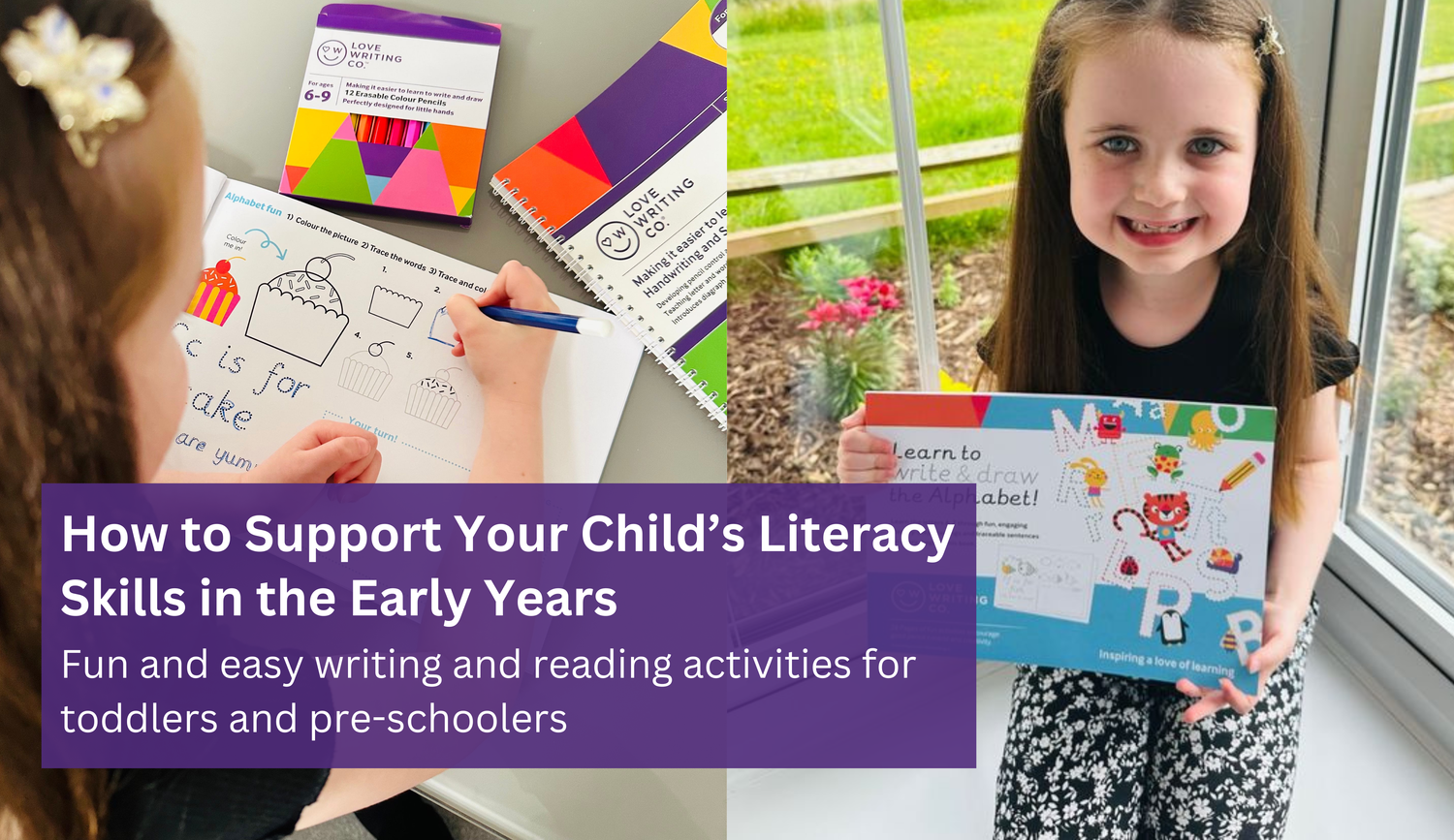
Early literacy starts long before sounding out words... It begins with playful pictures and lift the flap books, silly rhymes, and cuddling up at bedtime reading that builds a love of stories. If you are wondering what books a 3 year old should be reading, or which type of book is best for a pre-schooler, you are in the right place. This guide walks you through different reading stages, what to look for in great preschool books, and age-appropriate early learning resources that keep your child engaged and growing.
Reading milestones for ages 3 to 5
Every child’s reading journey looks a little different, and that’s completely normal. Some children move quickly, while others take their time and children with older brothers or sisters often learn through everyday exposure. What matters most is keeping reading relaxed, positive, and enjoyable. With patience and encouragement, confidence and skills will grow naturally, every child develops at their own pace, but most pre-schoolers tend to show these reading behaviours:
Age 3:
At around age three, children often love being read to and will happily choose the same favourite books again and again. They enjoy pointing to pictures and naming familiar objects or characters, and many join in with repeated phrases, rhymes, or sound effects they recognise.
Age 4:
By age four, children are beginning to understand that print carries meaning and that we read from left to right. They may start to recognise some letters, particularly the first letter of their name, and enjoy playing with sounds through rhymes, rhythm, and alliteration.
Age 5:
At age five, many children know most letter names and are beginning to learn letter sounds. If phonics has been introduced, they may start blending simple CVC words and making predictions about what might happen next in a story. You may also see early writing skills emerge, such as tracing or writing some letters and their name with support, as reading and writing begin to link together.
What books should a 3 year old be reading?
At three, your child is a story lover and a picture detective. Choose books that are short, rhythmic, and richly illustrated. Great picks include:
- Board books with sturdy pages, clear images, and a few words per page. Repetition helps memory and confidence.
- Rhyming picture books with predictable patterns. Your child will start to chime in, building phonological awareness.
- Interactive books with flaps, textures, sounds, or simple seek-and-find elements to keep little hands busy.
- Daily life stories about bedtime, mealtimes, feelings, and friendships. Familiar topics boost understanding.
- Concept books about colours, shapes, numbers and animals to grow vocabulary.
- Wordless picture books that invite your child to narrate the story from the pictures.
Look for stories that are simple, playful, and interactive, with plenty to talk about together. When books feel familiar, fun, and engaging, children naturally build language, confidence, and a love of stories without even realizing they’re learning!
Which type of book is best for a pre-schooler?
- Strong rhythm, rhyme, and repetition that invite joining in
- Clear, simple stories with relatable characters and gentle humour
- Big, expressive illustrations that encourage talk and questions
- Storybooks and wordless books for imagination and storytelling
- Non-fiction picture books to spark curiosity
- Rhymes, alphabet, and number books for playful early skill building
If you’re looking for ways to bridge the gap between early phonics awareness and actual letter writing, our Learn to Write and Draw the Alphabet Activity Book is a great tool to have and encourages children to trace, draw, colour, and explore letters in a relaxed, creative way, helping them build writing confidence without even realising they’re learning!

How to choose engaging books
Use this quick checklist when picking a new title: Is the text short enough to finish in one sitting? Do the pictures tell as much of the story as the words? Is there rhythm, rhyme, or a repeated line to join in with? Can you ask natural questions, such as ''What do you think will happen?'' or ''How does this character feel?'' Does it reflect your child’s interests, like animals, vehicles, superheroes, or baking? If the answer is yes to most of these, you have a winner.
Age 3:
- Sturdy board books with one idea per page
- Lift-the-flap and touch-and-feel favourites
- Simple rhyming tales with big, bright illustrations
- Wordless picture books for make-up-your-own-story time
Age 4:
- Classic picture books with repeated refrains to echo read together
- Non-fiction picture books about dinosaurs, space, or weather with short captions
- Alphabet stories that show uppercase and lowercase letters in context
- Silly poems and nursery rhyme collections to build rhythm
Age 5:
- Early picture book series with familiar characters and slightly longer plots
- Simple phonics readers if your child is blending sounds, keep it relaxed and celebratory
- Information books linked to school topics and real-world curiosity
- Comics with clear panels and speech bubbles to support sequencing
Make phonics practice easy and engaging at home with our Pack of 6 Phonics Learning Mats. These large, wipe-clean learning mats let children trace letters, practise sounds, and explore early word building again and again, without pressure or waste. Designed to support phonics in a hands-on, playful way, they’re perfect for little learners who learn best by doing. Help your child build writing confidence at their own pace while keeping practice fun!

Reading together, simple routines that work
Make story time a calm daily habit. You only need 10 to 15 minutes. Try:
- A cosy reading spot with a small basket of current favourites
- Picture walks, talk about the cover, characters, and what you notice before reading
- Echo reading, you read a line, your child repeats the fun part
- Ask open questions, What was your favourite part? What would you do?
- Act it out, use voices and simple props to bring stories to life
- Small, consistent routines build stamina, language, and confidence.
Gentle tools that make mark-making easier
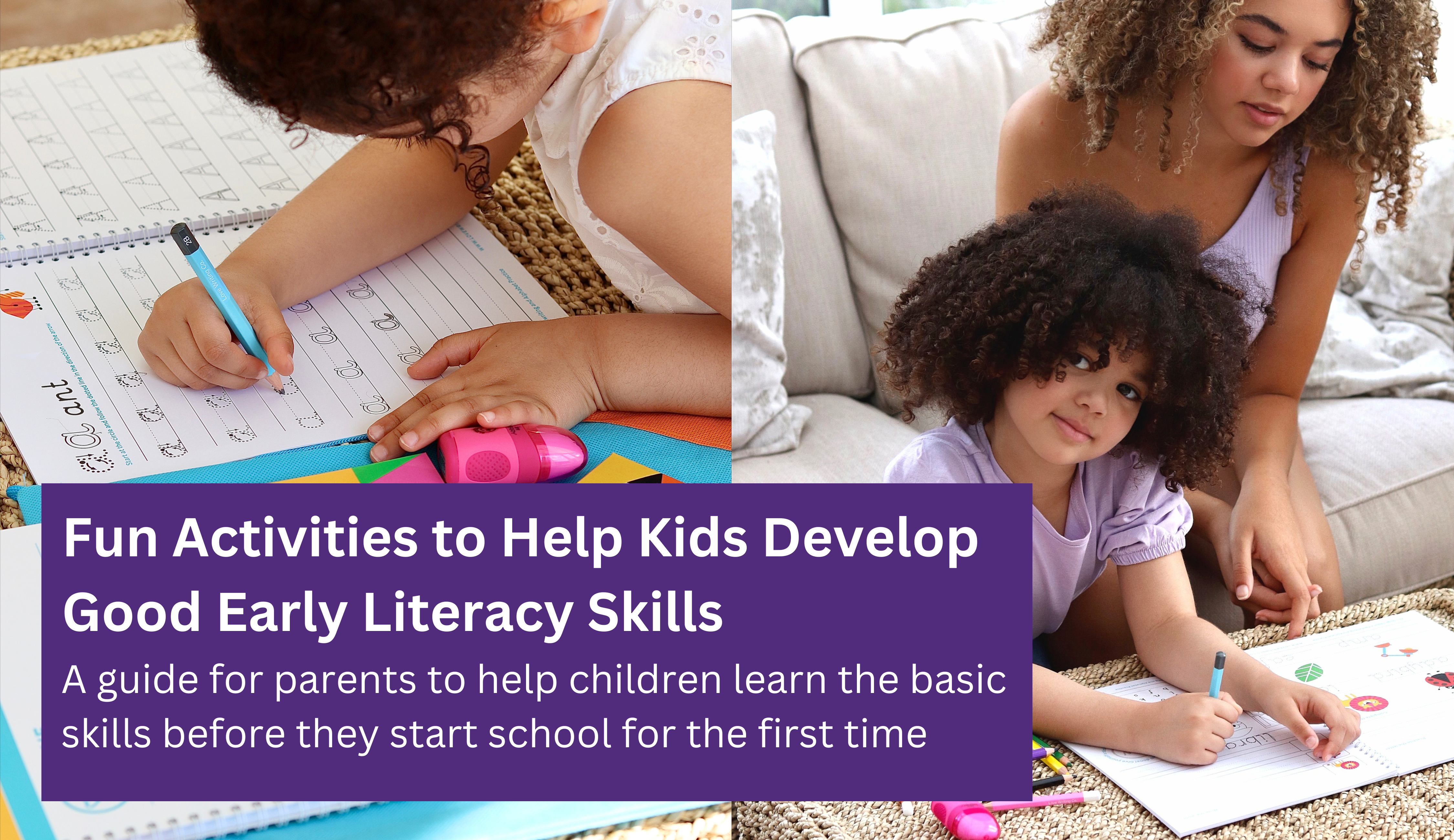
Comfortable writing tools help little hands enjoy the transition from reading to writing and improve their attitude to learning. If your child is starting to trace letters and shapes using fun and colourful stationery is more likely to encourage a child to use and get excited by writing.
Did you know?...
Love Writing Co. tripod grip writing pencils are designed to be the correct length and with a wider diameter, softer core and hexagonal shape, our pencils prevent muscle fatigue and encourage the correct tripod grip from the very beginning, promoting a love of writing from an early age.
Angela H ⭐⭐⭐⭐⭐
"These pencils have allowed my grandson to write. He always held a pencil like a dagger, and still does for any other pen/pencil. He also uses little pressure when writing, but the minute he uses these pencils, he can do it! It has helped so much. Even the school have commented on his vast improvement. Highly recommended as a starter even if you have no problems"

If you are looking for early literacy resources, the Love Writing Co. range includes learning to write books for ages 3 to 5 with focused alphabet formation and phonics linked exercises, with fun activities to keep your child engaged. Short, regular practice builds confidence that carries back into story time. Note, include only what feels right for your child. The aim is joy, not pressure
Final tips and takeaways
- Read little and often, make it part of your daily rhythm
- Follow your child’s interests, let them choose the next book
- Keep it interactive, talk, point, predict, and play
- Add light-touch writing activities when your child shows interest
With the right mix of playful stories and gentle skill building, your pre-schooler will grow in confidence and enthusiasm for reading.
If you’d like a little extra support along the way, our early literacy and writing resources are perfect for everyday play and story time, always at your child’s pace. Above all, enjoy these precious early years. The stories you share now will be some of the ones they remember forever. 💛
Thank you so much for reading. Every shared story, quiet cuddle, and silly voice helps your child feel confident and curious. There’s no rush, just lots of lovely moments that gently build a lifelong love of books from the very beginning.


Leave a comment
All comments are moderated before being published.
This site is protected by hCaptcha and the hCaptcha Privacy Policy and Terms of Service apply.