
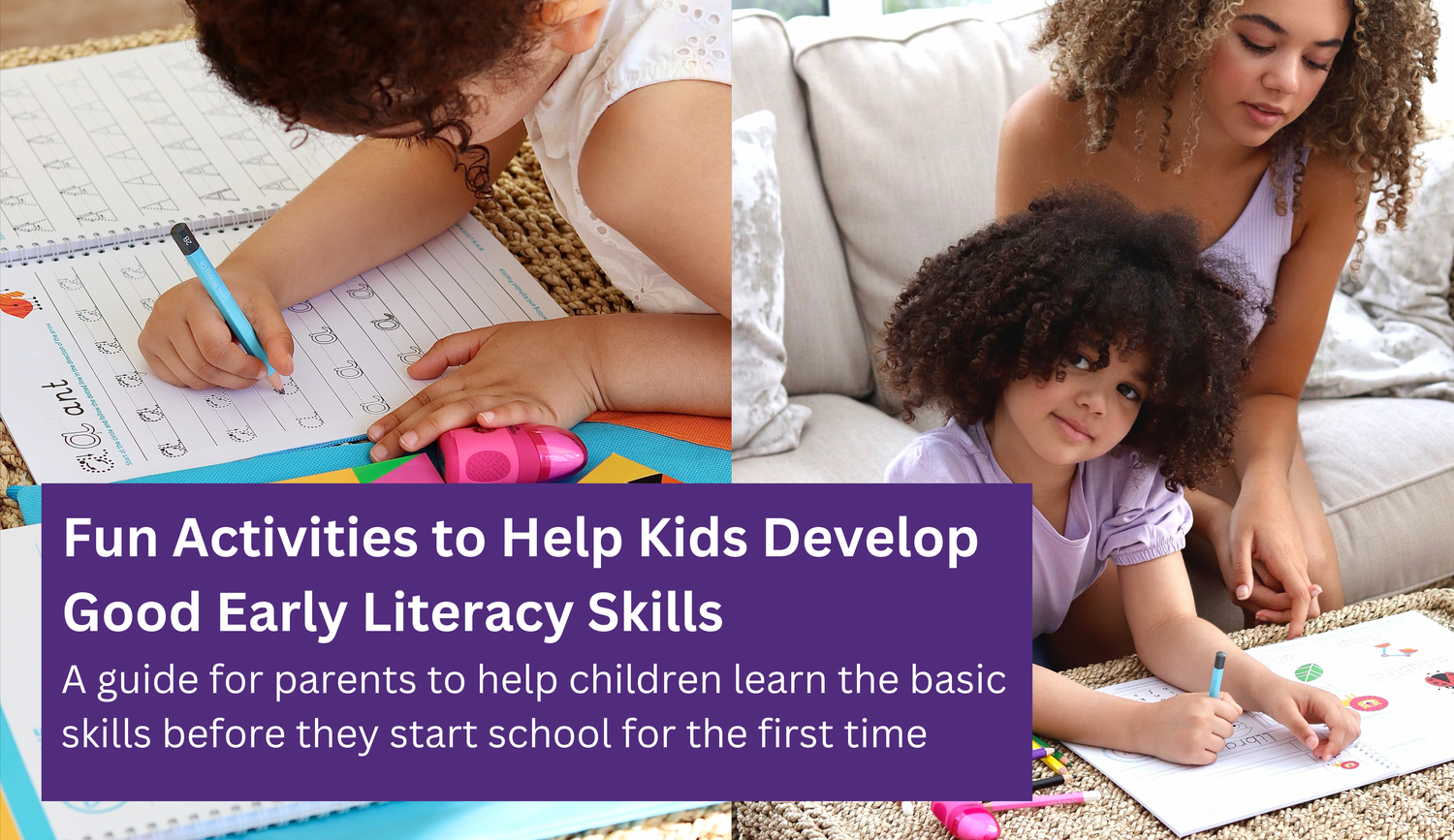
Early literacy starts long before formal reading lessons. It grows every time a child hears a story, sings a rhyme, scribbles a mark, or plays with sounds. Building on this natural curiosity with playful, hands-on activities can make reading and learning to write feel exciting, not intimidating.
In this guide, you will find simple ideas you can use in the classroom or as home learning activities to nurture a love of stories, build phonics awareness, and strengthen the fine motor skills that support confident handwriting - and most importantly make it fun!
How to Make Early Learning Fun for Preschoolers
Great early literacy activities are short, joyful, and repeatable. They invite children to talk, move, and create. Look for activities that:
- Combine sound, movement, and visuals so children can learn in different ways
- Fun mark making activities to help build fine motor development
- Encourage meaningful talk, turn taking, and storytelling.
- Offer choice and success at many levels, so every child can join in.
Most of all, introducing learning in the early stages should always feel like play. When children feel successful and engaged, they keep coming back!
Alphabet Letter Sounds: Build Phonological Awareness
Before children start to decode words, they learn to notice and play with sounds. These playful routines take five minutes and make a big difference.
- Rhyme time: Share nursery rhymes and pause for children to fill in the missing rhyming word. Try silly rhyme strings too, like cat, bat, zat. It boosts listening and memory retention.
- Syllable clapping: Clap names, colours, or classroom objects. Count how many claps. Later, link to letter sounds in beginner-friendly words.
- I spy with sounds: Start with phonics sounds, not letter names. I spy something that starts with s. Keep it easy and visible in the room.
Top tip: Pair sound play with movement, such as jumping for each syllable or passing a soft ball when a rhyme is heard. Movement locks learning in.
Make phonics practice fun and interactive with our Phonics Learning - 6 Phonics Mats (Trace & Wipeable). Designed for little learners aged 2+, these double-sided, wipe-clean mats help children explore letter sounds, blending and early reading through hands on play. Perfect for short, engaging learning sessions, they can be used again and again to build confidence in phonics while keeping learning fun.


Story time that sticks
Story time is the heart of early literacy. Make it interactive so every child feels part of the tale.
- Picture walk: Before reading, explore the pictures and predict what might happen. New vocabulary lands better when children expect it.
- Voice and props: Use character voices, costumes or puppets! After reading, invite children to retell the story using the props.
- Talk prompts: Ask open questions with no single right answer. What do you think this character wants? Which part made you smile?
Rotate familiar favourites with new books, visit the library and keep sessions short and frequent. Many short story moments beat a single long session.
Fun Mark-making to Early Writing Skills
Scribbles are the perfect start for growing writers and little artists. Give children lots of ways to make marks and strengthen their hands so writing feels comfortable later.
- Big movements first: Use chalk on the playground, paint with water on fences, and draw giant rainbow arcs on easels. Big arm movements prepare shoulders and wrists for fine control.
- Fine motor activities: Thread pasta onto laces, use tweezers to move pom-poms, and peel stickers to decorate letters. These build finger strength for a relaxed tripod grip.
- Tracing and patterns: Introduce gentle letter tracing once children are interested in shapes and lines. Keep it playful and praise effort.
When you are ready to introduce writing tools, our ergonomic Tripod Grip Writing Pencils for Ages 2-5 support a natural tripod grip help little hands stay relaxed. Discover our age-appropriate writing pencils specially designed for small hands to make learning fun and stress-free.

Helpful resources from Love Writing Co
If you want , age-appropriate writing tools for kids that support your home learning or in the classroom literacy sessions:
- Explore learn to write books and activity packs for ages 3 to 5 that guide letter formation and phonics in short steps.
- For comfortable control from the start, see our tripod grip pencil options that fit small hands.
- Planning short sessions? Try our FREE downloadable handwriting practice sheets for repeatable, low-prep activities.


Early literacy grows through everyday play. Read aloud daily, explore sounds through rhyme and games, and invite children to make marks in many ways. Add supportive tools when they are ready, keep sessions short, and celebrate small wins. Your consistency and warmth are what turn early letters into a lifelong love of reading and writing.
Thanks so much for reading, we hope you found lots of fun ideas for home learning activities or in the classroom. Make sure to follow us @lovewritingco on Instagram, Facebook and TikTok for more writing tips, playful learning ideas and inspiration. Happy Learning!

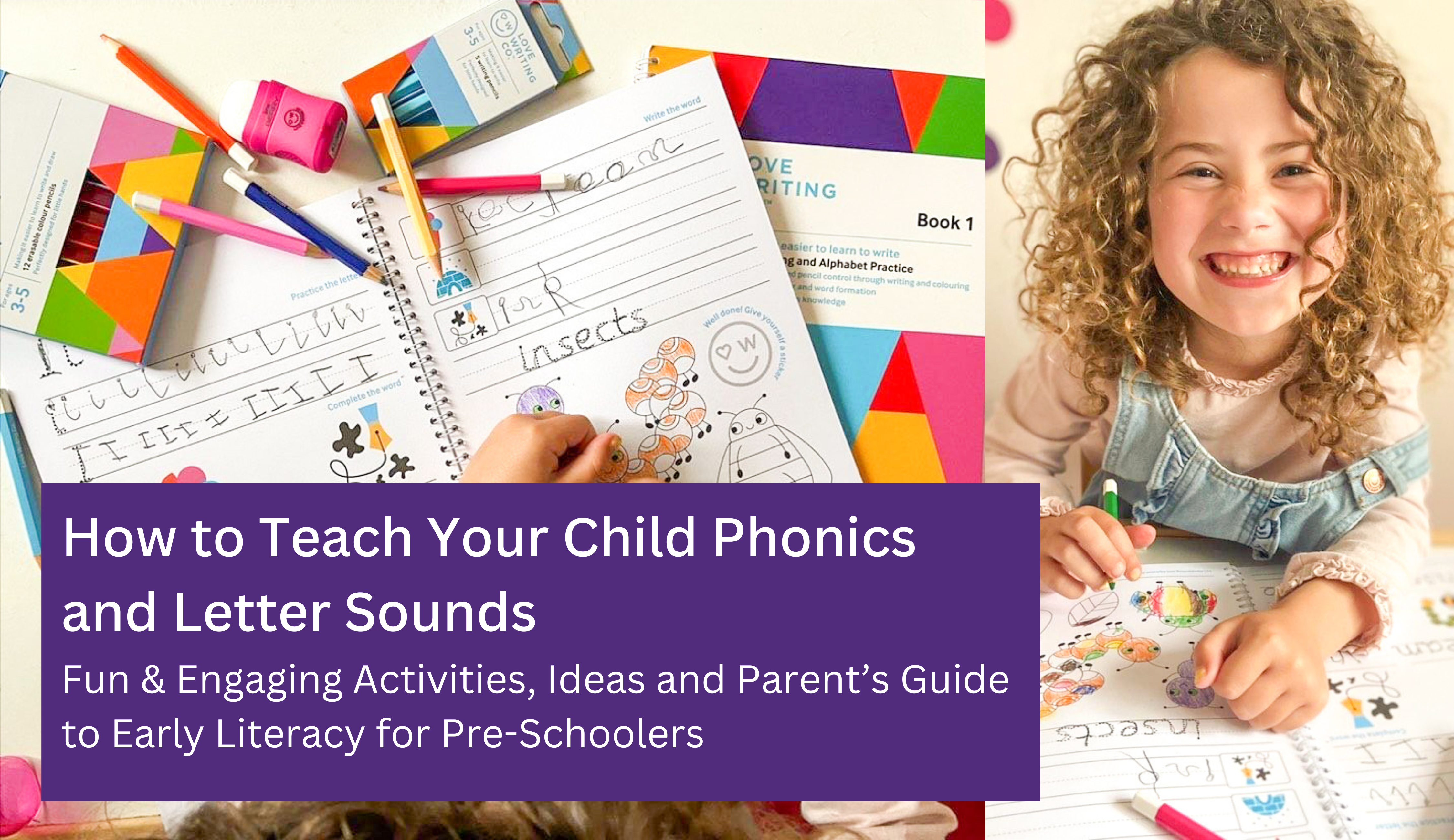

Leave a comment
All comments are moderated before being published.
This site is protected by hCaptcha and the hCaptcha Privacy Policy and Terms of Service apply.